AI-Powered Public Services in African Governments: How Technology Is Reshaping Governance in 2025
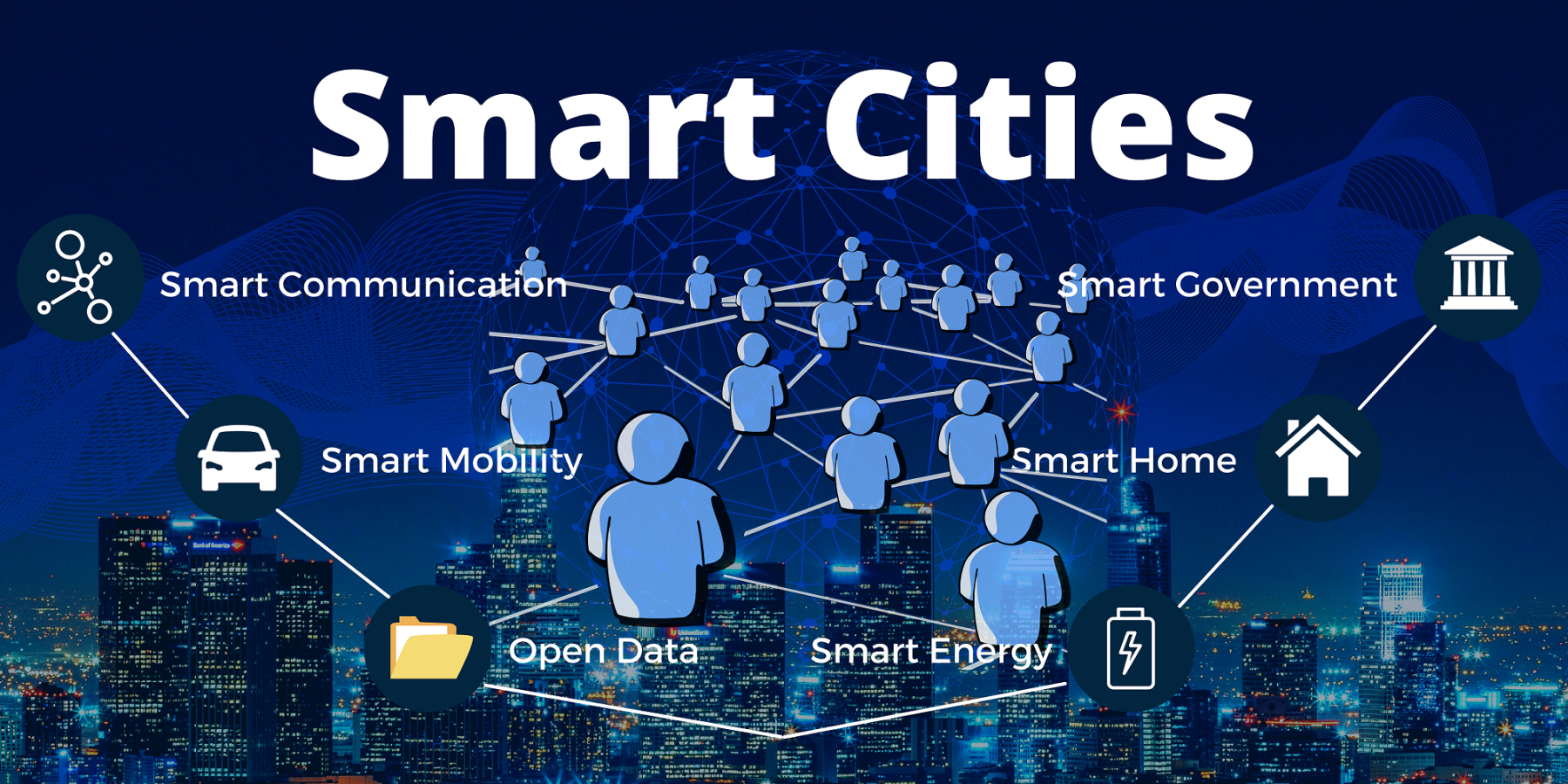
Across Africa, 2025 is shaping up to be the year when artificial intelligence fully enters the machinery of government. For decades, public institutions on the continent have struggled with challenges like slow service delivery, bureaucratic bottlenecks, corruption, and data fragmentation. Today, AI technologies—once seen as distant or futuristic—are becoming part of everyday public administration.
From AI chatbots helping citizens access services, to automated land registry systems, to machine-learning tools spotting tax fraud, African governments are beginning to use technology to make governance smarter, faster, and more transparent. But the story is not just about efficiency; it is fundamentally about reshaping the relationship between citizens and the state.
This article explores how AI is transforming public services across Africa in 2025, the real-world examples already in motion, the promises and pitfalls, and what the next decade could look like if the momentum continues.
1. Why AI in Governance Matters for Africa
For many African countries, the push toward digital public services began with mobile connectivity and national digital identity systems. But AI takes things a step further.
AI helps governments overcome structural constraints
Many African public institutions have historically been understaffed or constrained by limited resources. AI tools—automated workflows, virtual assistants, predictive analytics—extend the capacity of civil servants without drastically increasing budgets.
AI improves transparency and reduces corruption
Human bottlenecks in administrative processes often create opportunities for bribery or manipulation. AI systems, especially when tied to digital records, create traceable, tamper-resistant processes, making it harder to hide illicit activity.
AI accelerates development goals
From healthcare to agriculture and education, AI-driven systems help governments implement and monitor programs more effectively, ensuring citizens receive benefits faster.
AI helps build trust
When services are more reliable, quicker, and fairer, citizens gain more confidence in public institutions—something many African countries have been working to improve.
2. Real-World Examples of AI Transforming Public Services
a. AI in Digital Identity & Verification Systems
Across East and West Africa, AI-based facial recognition and biometric matching are strengthening national ID systems. Rwanda, Ghana, and Kenya have invested heavily in AI-enhanced identity verification, reducing fraud in social programs and making access to public services more seamless.
Citizens can now update records, verify identities, or apply for services online without queuing for hours—an enormous shift from the traditional paper-based models.
b. AI in Healthcare Administration

AI is not only diagnosing diseases; it’s managing healthcare systems. Governments are using machine-learning models to:
- Predict outbreaks of malaria, cholera, and dengue.
- Allocate medical supplies more efficiently.
- Improve patient triage through AI-assisted chat interfaces.
In countries like Tanzania and Nigeria, health ministries use AI-powered dashboards to track disease patterns in real time, helping them make faster decisions during emergencies.
c. AI-Driven Land Administration
Land registration is one of the most contentious issues in Africa. Manual records often lead to disputes, double ownership, or corruption.
Several governments are now testing AI-based land mapping:
- Satellite imagery is analyzed to detect boundaries.
- AI models flag overlapping claims.
- Systems automatically generate digital titles.
This is already reducing fraud while helping citizens who previously feared losing their land due to administrative chaos.
d. AI in Tax and Revenue Systems
Tax collection has always been a challenge, especially in informal economies. AI tools now help governments:
- Flag suspicious transactions
- Identify non-compliant businesses
- Detect internal corruption
- Estimate economic activity more accurately
Countries like South Africa and Mauritius already use advanced analytics in their revenue authorities, and others are now following suit.
e. AI for Citizen Engagement
AI chatbots—available via WhatsApp, SMS, or government portals—are helping citizens:
- Check the status of applications
- Access information in multiple languages
- File complaints
- Book appointments
This reduces congestion at service centers and makes interactions more convenient.
3. How AI Improves Public Service Efficiency
Faster processing
AI automates repetitive tasks like application sorting, identity verification, or document classification. Tasks that previously took weeks now take minutes.
Accurate decision-making
Machine-learning systems can identify risks or errors faster than humans. For example, AI models can detect inconsistencies in tax filings or duplicate fingerprints in national ID databases.
Better allocation of public resources
Predictive analytics help governments plan infrastructure, health interventions, and resource distribution more effectively.
24/7 citizen access
AI tools operate continuously, allowing citizens to access services without being limited to office hours.
4. Challenges and Risks African Governments Must Navigate
Despite AI’s promise, adoption comes with complexities that cannot be ignored.
a. Data Privacy and Security Concerns
To function properly, AI requires large datasets. But in many African countries, data protection laws are still evolving. Weak safeguards expose citizens to privacy risks.
Governments must establish strict controls on:
- Who can access citizen data
- How data is stored
- How long data is retained
- How systems prevent unauthorized use
b. Algorithmic Bias
AI systems can reproduce or worsen inequality if trained on biased datasets. For example:
- Facial recognition may misidentify darker skin tones.
- Automated welfare systems might wrongly exclude vulnerable citizens.
African developers must ensure AI solutions are trained on local, representative data.
c. Infrastructure Limitations
AI systems require stable internet, reliable electricity, and secure digital platforms—conditions that are still uneven across the continent.
Without proper infrastructure, even the best AI solutions may fail.
d. Skills Gap
Many governments still lack:
- AI engineers
- Data scientists
- Cybersecurity experts
- Policymakers who understand AI
This limits the speed and safety of implementation.
e. Public Trust and Ethical Concerns
Citizens may distrust AI used for surveillance, policing, or identity tracking. Transparency about how systems work will be critical in gaining public confidence.
5. The Future: What AI-Powered African Governance Could Look Like By 2030
If the momentum continues, Africa could leapfrog traditional development pathways—just as it did with mobile money.
Seamless Digital Government Platforms
Citizens may access all public services—from healthcare to tax filing—through unified AI-powered digital platforms.
AI Assistants for Every Civil Servant
Instead of replacing workers, AI will become a support tool that enhances government capacity, reducing bureaucratic delays.
Predictive Governance
AI will help governments anticipate:
- Disease outbreaks
- Floods, droughts, and climate risks
- Food scarcity
- Migration patterns
This will enable faster, data-driven responses.
Safer Cities and Smarter Infrastructure
Traffic systems, city planning, and emergency response will increasingly rely on AI to reduce accidents, manage congestion, and improve disaster response.
Cross-border Digital Integration
Regional blocs like ECOWAS, EAC, and SADC may eventually adopt interoperable AI systems for trade, migration, and security.
6. Why AI Adoption Must Remain Citizen-Centered
AI has enormous potential—but only if deployed ethically. Governments must ensure:
- AI supports human rights.
- Systems do not marginalize vulnerable groups.
- Citizens understand and trust the technology.
- Transparency and accountability are prioritized.
The goal must never be surveillance or control but better service, fairness, and opportunity.
Conclusion: Africa’s AI Governance Revolution Is Just Beginning
Artificial intelligence is no longer a distant dream; it is becoming a core part of Africa’s public institutions in 2025. Countries adopting AI strategically are already seeing results: faster services, reduced corruption, better healthcare management, and smarter decision-making.
The journey is far from over, but one thing is clear:
AI represents one of the greatest opportunities for Africa to modernize governance, empower citizens, and unlock development at scale.