Renewable Energy Microgrids & Solar Innovations in Africa: Powering a New Era of Development in 2025
Electricity has always been a defining factor in development, determining whether communities can access modern healthcare, education, communication, and economic opportunities. In 2025, Africa is experiencing a transformative shift—the rise of renewable energy microgrids and advanced solar innovations that are reshaping how electricity is produced, distributed, and consumed.
For decades, the continent’s energy challenge was framed as a deficit: millions without access, utilities struggling with aged infrastructure, and national grids unable to meet demand. But today, the narrative is changing. Africa is no longer waiting for massive power plants and long transmission lines. Instead, microgrids—small, independent power networks—are electrifying villages, farms, schools, and businesses faster and more sustainably than traditional grid extension ever could.
This article explores how renewable energy microgrids are transforming African economies, the solar innovations redefining energy access, success stories, challenges, and what the continent’s energy future could look like by 2030.
1. Why Microgrids Are the Future of African Energy
a. Africa’s energy gap remains vast
Despite progress, more than half a billion Africans still lack reliable electricity. In rural areas, connecting households to a national grid can cost thousands of dollars per kilometer—often unrealistic for sparsely populated regions.
b. Microgrids offer a smarter alternative
Microgrids operate independently or in connection with the national grid. They are:
- Cost-efficient for rural areas
- Fast to deploy—weeks instead of years
- Scalable as communities grow
- Powered by free, abundant sunlight
They solve the “last-mile electrification problem” better than any other technology currently available.
c. Solar is Africa’s greatest natural advantage
With some of the highest solar irradiation levels in the world, Africa has the potential to generate over 1,000 times the electricity it currently produces simply from sunlight.
2. The Solar Revolution: Key Innovations in 2025
Solar technology has advanced rapidly, and Africa is benefitting from innovations that make systems cheaper, smarter, and more resilient.
a. High-efficiency solar panels
New panels on the market—such as bifacial and perovskite solar cells—are pushing efficiency beyond 25%. They work better in high temperatures and dusty environments, conditions common across Africa.
b. Smart inverters
These devices enable microgrids to balance supply and demand automatically. They allow communities to connect solar power, batteries, and backup generators without complex engineering.
c. Next-generation battery systems
Lithium-ion batteries are now more affordable, but 2025 has also seen growth in:
- Sodium-ion batteries
- Flow batteries
- Ultra-long-life LFP (Lithium Iron Phosphate) systems
These technologies allow microgrids to deliver reliable power even during cloudy days or at night.
d. Pay-as-you-go (PAYG) energy models
Solar home systems and microgrids can now be purchased through mobile money—spreading costs over time, making energy accessible even to low-income households.
e. AI-powered energy management
Artificial intelligence optimizes:
- Power distribution
- Load forecasting
- Preventive maintenance
- Payment tracking
- Battery performance
AI is making microgrids more efficient and reducing operational costs.
3. Microgrids That Are Changing Lives Across Africa
a. East Africa: The epicenter of solar microgrids
Kenya, Tanzania, and Rwanda have become leaders in deploying solar microgrids. Thousands of villages that once depended on diesel generators now enjoy clean, stable power.
Benefits include:
- Shops staying open after dark
- Clinics running refrigerators for vaccines
- Students studying with proper lighting
- Farmers processing crops with electric machinery
b. West Africa’s rapid growth
Countries like Nigeria, Ghana, and Senegal are scaling up microgrids to support small businesses and rural agriculture. In Nigeria, microgrids have become essential due to chronic national grid outages.
Solar microgrids are powering:
- Cold storage facilities
- Solar-powered water pumps
- Rural ICT centers
- Local manufacturing clusters
c. Southern Africa’s innovation hubs
South Africa, Botswana, and Namibia are piloting hybrid microgrids blending solar with wind and battery storage. These are powering mining operations, border posts, and off-grid settlements.
4. Economic Impact: Energy as a Catalyst for Development
a. Boosting small businesses
Reliable electricity enables small and medium enterprises to operate more hours and with better equipment. Welding shops, barbers, tailors, phone charging businesses, and grain mills all depend on consistent power.
b. Modernizing agriculture
Microgrids are powering:
- Solar irrigation systems
- Cold rooms for storing vegetables and fish
- Electric grain processors
- Livestock water points
This reduces food waste and increases farmers’ incomes.
c. Improving health and education
Electricity enables clinics to:
- Refrigerate medicines
- Power diagnostic equipment
- Provide nighttime emergency care
Schools benefit through:
- Lighting
- Digital classes
- Computer labs
d. Job creation
The renewable energy sector is generating thousands of jobs in:
- Installation
- Maintenance
- Manufacturing of solar components
- Operations management
e. Lowering carbon emissions
Replacing diesel generators with solar microgrids dramatically reduces carbon output and improves air quality.
5. The Role of Government and Private Sector
a. Supportive policies
Countries that have made the fastest progress share similar approaches:
- Clear licensing rules for microgrid developers
- Subsidies or grants for rural electrification
- Policies that allow microgrids to feed excess power into national grids
- Reduced import duties on renewable energy components
b. Public-private partnerships
Most African solar microgrids are developed through partnerships between governments and private companies. These collaborations combine public funding with private innovation.
c. Community ownership models
Some projects allow local communities to invest in and partially own their microgrids—ensuring sustainability and accountability.
6. Challenges Slowing Down Scaling
Despite the impressive growth in 2025, several obstacles remain.
a. High upfront capital
Even though microgrids are cost-effective in the long term, the initial investment can still be high.
b. Regulatory uncertainty
Some countries lack clear rules for:
- Licensing microgrids
- Integrating with national utilities
- Tariff structures
- Payment enforcement
c. Land rights issues
Securing land for panels or battery storage can sometimes be complicated by unclear ownership.
d. Technical skills gap
Africa still needs more:
- Solar technicians
- Battery engineers
- Control system specialists
- Renewable energy planners
e. Affordability challenges
Some rural households still struggle to pay for energy, even with PAYG systems.
7. The Future of Africa’s Energy Landscape by 2030
If current momentum continues, Africa could become the world’s leading hub for decentralized renewable energy by 2030.
a. Millions of new microgrids
Experts predict a surge of 50,000–100,000 microgrids across rural and peri-urban Africa.
b. Hybrid renewable systems
Communities may combine solar with:
- Wind
- Hydropower
- Battery storage
- Green hydrogen
c. Solar-powered transportation
Electric motorcycles and tuk-tuks powered by microgrid charging stations will become more common.
d. Smart villages and towns
Entire communities will use digital systems to manage power, agriculture, waste, and water—powered by renewable energy.
e. Drastic reduction in diesel dependency
Diesel use for generators could drop by 80% in some countries, saving billions in fuel imports.
Conclusion: Africa’s Renewable Energy Moment Is Here
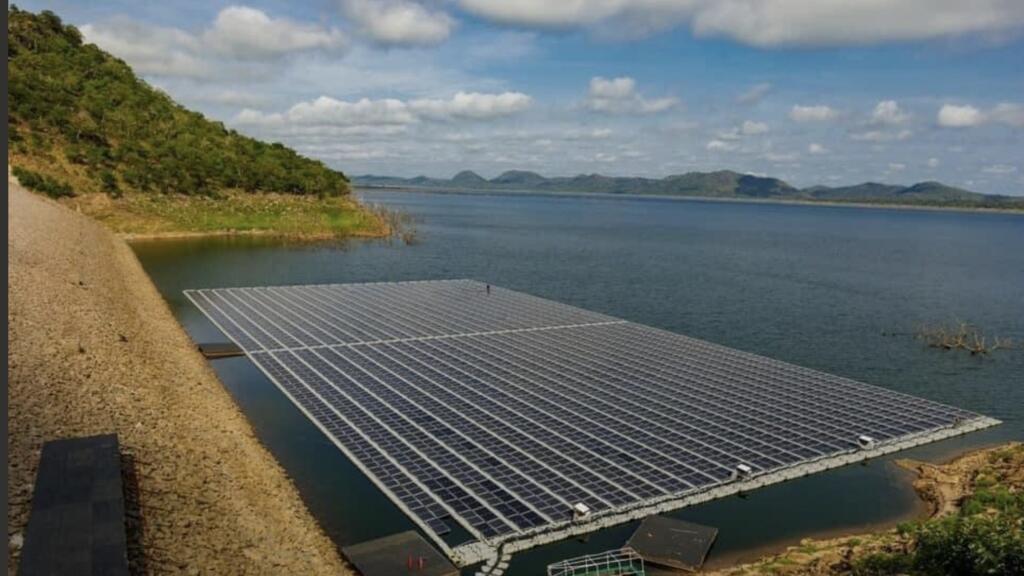
Renewable energy microgrids and modern solar technologies are no longer fringe alternatives—they are central to Africa’s development strategy in 2025. They address the continent’s most persistent challenges: energy poverty, economic inequality, weak infrastructure, and climate vulnerability.
By providing clean, affordable, and decentralized electricity, microgrids are lighting homes, empowering businesses, improving healthcare, and enabling innovation in even the most remote communities.
Africa is not just catching up—it is leapfrogging traditional power models and building an energy future that the rest of the world will study and learn from.